Top ▲

Not curated in GtoImmuPdb
Target id: 30
Nomenclature: β3-adrenoceptor
Family: Adrenoceptors
Annotation status:
 Annotated and expert reviewed
» Email us
Gene and Protein Information  |
||||||
| class A G protein-coupled receptor | ||||||
| Species | TM | AA | Chromosomal Location | Gene Symbol | Gene Name | Reference |
| Human | 7 | 408 | 8p11.23 | ADRB3 | adrenoceptor beta 3 | 39,68 |
| Mouse | 7 | 400 | 8 15.94 cM | Adrb3 | adrenergic receptor, beta 3 | 82 |
| Rat | 7 | 400 | 16q12.3 | Adrb3 | adrenoceptor beta 3 | 46,79 |
| Previous and Unofficial Names |
| atypical β-adrenoceptor | ADRB | beta-3 adrenoreceptor | Adrb-3 | beta 3-AR | beta3-adrenergic receptor | adrenergic receptor |
| Database Links |
|
| Specialist databases | |
| GPCRdb | adrb3_human (Hs), adrb3_mouse (Mm), adrb3_rat (Rn) |
| Other databases | |
| Alphafold | P13945 (Hs), P25962 (Mm), P26255 (Rn) |
| ChEMBL Target | CHEMBL246 (Hs), CHEMBL4030 (Mm), CHEMBL4031 (Rn) |
| DrugBank Target | P13945 (Hs) |
| Ensembl Gene | ENSG00000188778 (Hs), ENSMUSG00000031489 (Mm), ENSRNOG00000012674 (Rn) |
| Entrez Gene | 155 (Hs), 11556 (Mm), 25645 (Rn) |
| Human Protein Atlas | ENSG00000188778 (Hs) |
| KEGG Gene | hsa:155 (Hs), mmu:11556 (Mm), rno:25645 (Rn) |
| OMIM | 109691 (Hs) |
| Pharos | P13945 (Hs) |
| RefSeq Nucleotide | NM_000025 (Hs), NM_013462 (Mm), NM_013108 (Rn) |
| RefSeq Protein | NP_000016 (Hs), NP_038490 (Mm), NP_037240 (Rn) |
| UniProtKB | P13945 (Hs), P25962 (Mm), P26255 (Rn) |
| Wikipedia | ADRB3 (Hs) |
| Selected 3D Structures |
|||||||||||||
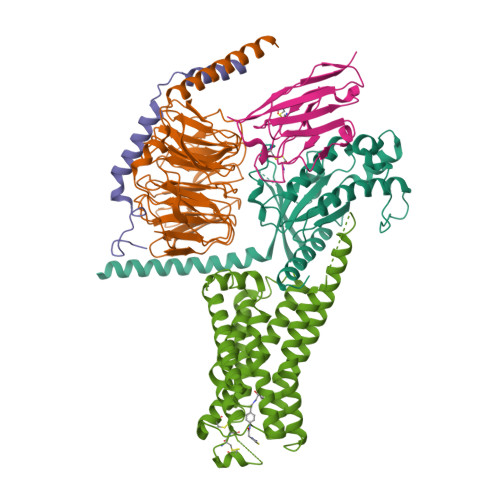
|
|
||||||||||||

|
|
||||||||||||

|
|
||||||||||||

|
|
||||||||||||
| Associated Proteins |
|||||||||||||||
|
|||||||||||||||
| Natural/Endogenous Ligands |
| (-)-adrenaline |
| (-)-noradrenaline |
| Potency order of endogenous ligands (Human) |
| (-)-noradrenaline = (-)-adrenaline |
Download all structure-activity data for this target as a CSV file 
| Agonists | |||||||||||||||||||||||||||||||||||||||||||||||||||||||||||||||||||||||||||||||||||||||||||||||||||||||||||||||||||||||||||||||||||||||||||||||||||||||||||||||||||||||||||||||||||||||||||||||||||||||||||||||||||||||||||||||||||||||||||||||||||||||||||||||||||||||||||||||||||||||||||||||||||||||||||||||||||||||||||||||||||||||||||||||||||||||||||||||||||||||||||||||||||||||||||||||||||||||||||||||||||||||||||||||||||||||||||||||||||||||||||||||||||||||||||||||||||||||||||||||||||||||||||||||||||||||||||||||||||||||||||||||||||||||||||||||||||||||||||||||||||||||||||||||||||||||||||||||||||||||||||||||||||||||||||||||||||||||||||||||||||||||||||||||||||||||||||||||||||||||||||||||||||||||||||||||||||||||||||||||||||||||||||||||||||||||||||||||||||||||||||||||||||||||||||||||||||||||||||||||||||||||||||||||||||||||||||||||||||||||||||||||||||||||||||||||||||||||||||||||||||||||||||||||||||||||||||||||||||||||||||||||||||||||||||||||||||||||||||||||||||||||||||||||||||||||||||||||||||||||
| Key to terms and symbols | View all chemical structures | Click column headers to sort | |||||||||||||||||||||||||||||||||||||||||||||||||||||||||||||||||||||||||||||||||||||||||||||||||||||||||||||||||||||||||||||||||||||||||||||||||||||||||||||||||||||||||||||||||||||||||||||||||||||||||||||||||||||||||||||||||||||||||||||||||||||||||||||||||||||||||||||||||||||||||||||||||||||||||||||||||||||||||||||||||||||||||||||||||||||||||||||||||||||||||||||||||||||||||||||||||||||||||||||||||||||||||||||||||||||||||||||||||||||||||||||||||||||||||||||||||||||||||||||||||||||||||||||||||||||||||||||||||||||||||||||||||||||||||||||||||||||||||||||||||||||||||||||||||||||||||||||||||||||||||||||||||||||||||||||||||||||||||||||||||||||||||||||||||||||||||||||||||||||||||||||||||||||||||||||||||||||||||||||||||||||||||||||||||||||||||||||||||||||||||||||||||||||||||||||||||||||||||||||||||||||||||||||||||||||||||||||||||||||||||||||||||||||||||||||||||||||||||||||||||||||||||||||||||||||||||||||||||||||||||||||||||||||||||||||||||||||||||||||||||||||||||||||||||||||||||||||||||||||
|
|||||||||||||||||||||||||||||||||||||||||||||||||||||||||||||||||||||||||||||||||||||||||||||||||||||||||||||||||||||||||||||||||||||||||||||||||||||||||||||||||||||||||||||||||||||||||||||||||||||||||||||||||||||||||||||||||||||||||||||||||||||||||||||||||||||||||||||||||||||||||||||||||||||||||||||||||||||||||||||||||||||||||||||||||||||||||||||||||||||||||||||||||||||||||||||||||||||||||||||||||||||||||||||||||||||||||||||||||||||||||||||||||||||||||||||||||||||||||||||||||||||||||||||||||||||||||||||||||||||||||||||||||||||||||||||||||||||||||||||||||||||||||||||||||||||||||||||||||||||||||||||||||||||||||||||||||||||||||||||||||||||||||||||||||||||||||||||||||||||||||||||||||||||||||||||||||||||||||||||||||||||||||||||||||||||||||||||||||||||||||||||||||||||||||||||||||||||||||||||||||||||||||||||||||||||||||||||||||||||||||||||||||||||||||||||||||||||||||||||||||||||||||||||||||||||||||||||||||||||||||||||||||||||||||||||||||||||||||||||||||||||||||||||||||||||||||||||||||||||||
| View species-specific agonist tables | |||||||||||||||||||||||||||||||||||||||||||||||||||||||||||||||||||||||||||||||||||||||||||||||||||||||||||||||||||||||||||||||||||||||||||||||||||||||||||||||||||||||||||||||||||||||||||||||||||||||||||||||||||||||||||||||||||||||||||||||||||||||||||||||||||||||||||||||||||||||||||||||||||||||||||||||||||||||||||||||||||||||||||||||||||||||||||||||||||||||||||||||||||||||||||||||||||||||||||||||||||||||||||||||||||||||||||||||||||||||||||||||||||||||||||||||||||||||||||||||||||||||||||||||||||||||||||||||||||||||||||||||||||||||||||||||||||||||||||||||||||||||||||||||||||||||||||||||||||||||||||||||||||||||||||||||||||||||||||||||||||||||||||||||||||||||||||||||||||||||||||||||||||||||||||||||||||||||||||||||||||||||||||||||||||||||||||||||||||||||||||||||||||||||||||||||||||||||||||||||||||||||||||||||||||||||||||||||||||||||||||||||||||||||||||||||||||||||||||||||||||||||||||||||||||||||||||||||||||||||||||||||||||||||||||||||||||||||||||||||||||||||||||||||||||||||||||||||||||||||
| Agonist Comments | |||||||||||||||||||||||||||||||||||||||||||||||||||||||||||||||||||||||||||||||||||||||||||||||||||||||||||||||||||||||||||||||||||||||||||||||||||||||||||||||||||||||||||||||||||||||||||||||||||||||||||||||||||||||||||||||||||||||||||||||||||||||||||||||||||||||||||||||||||||||||||||||||||||||||||||||||||||||||||||||||||||||||||||||||||||||||||||||||||||||||||||||||||||||||||||||||||||||||||||||||||||||||||||||||||||||||||||||||||||||||||||||||||||||||||||||||||||||||||||||||||||||||||||||||||||||||||||||||||||||||||||||||||||||||||||||||||||||||||||||||||||||||||||||||||||||||||||||||||||||||||||||||||||||||||||||||||||||||||||||||||||||||||||||||||||||||||||||||||||||||||||||||||||||||||||||||||||||||||||||||||||||||||||||||||||||||||||||||||||||||||||||||||||||||||||||||||||||||||||||||||||||||||||||||||||||||||||||||||||||||||||||||||||||||||||||||||||||||||||||||||||||||||||||||||||||||||||||||||||||||||||||||||||||||||||||||||||||||||||||||||||||||||||||||||||||||||||||||||||||
| The β3-AR, originally known as the atypical β-AR, was characterised by low affinity for most β-AR antagonists [4,8]. An atypical β-AR was identified as a target for the treatment of obesity leading to compounds such as BRL37344 [3] that were very effective in rodent models, but had very low efficacy in humans. Subsequently it became clear that the atypical β-AR equated to the β3-AR [39] and that the human and rodent receptors displayed distinct pharmacology. Subsequent compounds with high affinity and selectivity for the human β3-AR such as L755507 and L748337 were developed [10,97] and have proved very useful in laboratory studies. Although the β3-AR proved not to be a viable target for obesity, the receptor was present at high levels in bladder and β3-AR agonists such as mirabegron, solabegron and vibegron are useful for the treatment of overactive bladder syndrome [76]. The development of these human β3-AR selective compounds has also recreated interest in their possible metabolic effects [34]. Clinical uses: β3-AR selective agonists are used to treat overactive bladder syndrome. |
|||||||||||||||||||||||||||||||||||||||||||||||||||||||||||||||||||||||||||||||||||||||||||||||||||||||||||||||||||||||||||||||||||||||||||||||||||||||||||||||||||||||||||||||||||||||||||||||||||||||||||||||||||||||||||||||||||||||||||||||||||||||||||||||||||||||||||||||||||||||||||||||||||||||||||||||||||||||||||||||||||||||||||||||||||||||||||||||||||||||||||||||||||||||||||||||||||||||||||||||||||||||||||||||||||||||||||||||||||||||||||||||||||||||||||||||||||||||||||||||||||||||||||||||||||||||||||||||||||||||||||||||||||||||||||||||||||||||||||||||||||||||||||||||||||||||||||||||||||||||||||||||||||||||||||||||||||||||||||||||||||||||||||||||||||||||||||||||||||||||||||||||||||||||||||||||||||||||||||||||||||||||||||||||||||||||||||||||||||||||||||||||||||||||||||||||||||||||||||||||||||||||||||||||||||||||||||||||||||||||||||||||||||||||||||||||||||||||||||||||||||||||||||||||||||||||||||||||||||||||||||||||||||||||||||||||||||||||||||||||||||||||||||||||||||||||||||||||||||||||
| Antagonists | |||||||||||||||||||||||||||||||||||||||||||||||||||||||||||||||||||||||||||||||||||||||||||||||||||||||||||||||||||||||||||||||||||||||||||||||||||||||||||||||||||||||||||||||||||||||||||||||||||||||||||||||||||||||||||||||||||||||||||||||||||||||||||||||||||||||||||||||||||||||||||||||||||||||||||||||||||||||||||||||||||||||||||||||||||||||||||||||||||||||||||||||||||||||||||||||||||||||||||||||||||||||||||||||||||||||||||||||||||||||||||||||||||||||||||||||||||||||||||||||||||||||||||||||||||||||||||||||||||||||||||||||||||||||||||||||||||||||||||||||||||||||||||||||||||||||||||||||||||||||||||||||||||||||||||||||||||||||||||||||||||||||||||||||||||||||||||||||||||||||||||||||||||||||||||||||||||||||||||||||||||||||||||||||||||||||||||||||||||||||||||||||||||||||||||||||||||||||||||||||||||||||||||||||||||||||||||||||||||||||||||||||||||||||||||||||||||||||||||||||||||||||||||||||||||||||||||||||||||||||||||||||||||||||||||||||||||||||||||||||||||||||||||||||||||||||||||||||||||||||
| Key to terms and symbols | View all chemical structures | Click column headers to sort | |||||||||||||||||||||||||||||||||||||||||||||||||||||||||||||||||||||||||||||||||||||||||||||||||||||||||||||||||||||||||||||||||||||||||||||||||||||||||||||||||||||||||||||||||||||||||||||||||||||||||||||||||||||||||||||||||||||||||||||||||||||||||||||||||||||||||||||||||||||||||||||||||||||||||||||||||||||||||||||||||||||||||||||||||||||||||||||||||||||||||||||||||||||||||||||||||||||||||||||||||||||||||||||||||||||||||||||||||||||||||||||||||||||||||||||||||||||||||||||||||||||||||||||||||||||||||||||||||||||||||||||||||||||||||||||||||||||||||||||||||||||||||||||||||||||||||||||||||||||||||||||||||||||||||||||||||||||||||||||||||||||||||||||||||||||||||||||||||||||||||||||||||||||||||||||||||||||||||||||||||||||||||||||||||||||||||||||||||||||||||||||||||||||||||||||||||||||||||||||||||||||||||||||||||||||||||||||||||||||||||||||||||||||||||||||||||||||||||||||||||||||||||||||||||||||||||||||||||||||||||||||||||||||||||||||||||||||||||||||||||||||||||||||||||||||||||||||||||||||
|
|||||||||||||||||||||||||||||||||||||||||||||||||||||||||||||||||||||||||||||||||||||||||||||||||||||||||||||||||||||||||||||||||||||||||||||||||||||||||||||||||||||||||||||||||||||||||||||||||||||||||||||||||||||||||||||||||||||||||||||||||||||||||||||||||||||||||||||||||||||||||||||||||||||||||||||||||||||||||||||||||||||||||||||||||||||||||||||||||||||||||||||||||||||||||||||||||||||||||||||||||||||||||||||||||||||||||||||||||||||||||||||||||||||||||||||||||||||||||||||||||||||||||||||||||||||||||||||||||||||||||||||||||||||||||||||||||||||||||||||||||||||||||||||||||||||||||||||||||||||||||||||||||||||||||||||||||||||||||||||||||||||||||||||||||||||||||||||||||||||||||||||||||||||||||||||||||||||||||||||||||||||||||||||||||||||||||||||||||||||||||||||||||||||||||||||||||||||||||||||||||||||||||||||||||||||||||||||||||||||||||||||||||||||||||||||||||||||||||||||||||||||||||||||||||||||||||||||||||||||||||||||||||||||||||||||||||||||||||||||||||||||||||||||||||||||||||||||||||||||||
| View species-specific antagonist tables | |||||||||||||||||||||||||||||||||||||||||||||||||||||||||||||||||||||||||||||||||||||||||||||||||||||||||||||||||||||||||||||||||||||||||||||||||||||||||||||||||||||||||||||||||||||||||||||||||||||||||||||||||||||||||||||||||||||||||||||||||||||||||||||||||||||||||||||||||||||||||||||||||||||||||||||||||||||||||||||||||||||||||||||||||||||||||||||||||||||||||||||||||||||||||||||||||||||||||||||||||||||||||||||||||||||||||||||||||||||||||||||||||||||||||||||||||||||||||||||||||||||||||||||||||||||||||||||||||||||||||||||||||||||||||||||||||||||||||||||||||||||||||||||||||||||||||||||||||||||||||||||||||||||||||||||||||||||||||||||||||||||||||||||||||||||||||||||||||||||||||||||||||||||||||||||||||||||||||||||||||||||||||||||||||||||||||||||||||||||||||||||||||||||||||||||||||||||||||||||||||||||||||||||||||||||||||||||||||||||||||||||||||||||||||||||||||||||||||||||||||||||||||||||||||||||||||||||||||||||||||||||||||||||||||||||||||||||||||||||||||||||||||||||||||||||||||||||||||||||||
| Antagonist Comments | |||||||||||||||||||||||||||||||||||||||||||||||||||||||||||||||||||||||||||||||||||||||||||||||||||||||||||||||||||||||||||||||||||||||||||||||||||||||||||||||||||||||||||||||||||||||||||||||||||||||||||||||||||||||||||||||||||||||||||||||||||||||||||||||||||||||||||||||||||||||||||||||||||||||||||||||||||||||||||||||||||||||||||||||||||||||||||||||||||||||||||||||||||||||||||||||||||||||||||||||||||||||||||||||||||||||||||||||||||||||||||||||||||||||||||||||||||||||||||||||||||||||||||||||||||||||||||||||||||||||||||||||||||||||||||||||||||||||||||||||||||||||||||||||||||||||||||||||||||||||||||||||||||||||||||||||||||||||||||||||||||||||||||||||||||||||||||||||||||||||||||||||||||||||||||||||||||||||||||||||||||||||||||||||||||||||||||||||||||||||||||||||||||||||||||||||||||||||||||||||||||||||||||||||||||||||||||||||||||||||||||||||||||||||||||||||||||||||||||||||||||||||||||||||||||||||||||||||||||||||||||||||||||||||||||||||||||||||||||||||||||||||||||||||||||||||||||||||||||||||
| Many of the compounds described as antagonists at the β3-AR can behave in some systems as agonists at the β3-AR. These include L748337, SR59230A, carvedilol, nadolol, tertatolol, pindolol and propranolol as well as compounds that exhibit similar behaviour at other β-AR subtypes, notably CGP12177, pindolol, cyanopindolol, labetalol and alprenolol [7,10,18-19,37,80,110]. Propranolol is primarily a β1-/β2-AR antagonist with lower affinity for β3-AR [8]. SR59230A, often described as a selective antagonist at β3-AR, displays little selectivity and has similar potency at all 3 subtypes (in fact higher affinity at β2-AR) [10]- what it does have is reasonable potency at blocking β3-AR. L-748337 is currently the most selective antagonist at the human β3-AR [117] and displays 100-400 fold selectivity vs. β1- AR and 40-50 fold selectivity vs. β2-AR [10,24]. [3H]L 748337 has been used to identify and characterise β3-AR in human tissues [117]. The human β3-AR like the β1-AR appears to exist in two active conformations with fenoterol stimulating responses via the catecholamine formation and alprenolol, SR58230A and CGP12177 utilising the secondary conformation [7]. Clinical uses: β3-AR antagonists are not used clinically. |
|||||||||||||||||||||||||||||||||||||||||||||||||||||||||||||||||||||||||||||||||||||||||||||||||||||||||||||||||||||||||||||||||||||||||||||||||||||||||||||||||||||||||||||||||||||||||||||||||||||||||||||||||||||||||||||||||||||||||||||||||||||||||||||||||||||||||||||||||||||||||||||||||||||||||||||||||||||||||||||||||||||||||||||||||||||||||||||||||||||||||||||||||||||||||||||||||||||||||||||||||||||||||||||||||||||||||||||||||||||||||||||||||||||||||||||||||||||||||||||||||||||||||||||||||||||||||||||||||||||||||||||||||||||||||||||||||||||||||||||||||||||||||||||||||||||||||||||||||||||||||||||||||||||||||||||||||||||||||||||||||||||||||||||||||||||||||||||||||||||||||||||||||||||||||||||||||||||||||||||||||||||||||||||||||||||||||||||||||||||||||||||||||||||||||||||||||||||||||||||||||||||||||||||||||||||||||||||||||||||||||||||||||||||||||||||||||||||||||||||||||||||||||||||||||||||||||||||||||||||||||||||||||||||||||||||||||||||||||||||||||||||||||||||||||||||||||||||||||||||||
| Primary Transduction Mechanisms
|
|
| Transducer | Effector/Response |
| Gs family | Adenylyl cyclase stimulation |
| Comments: Agonist stimulated Gs coupling leads to stimulation of adenylyl cyclase (AC) and causes the conversion of ATP into cAMP. This activates protein kinase A (PKA) that in adipocytes leads to phosphorylation and activation of the hormone sensitive lipase and perilipins. Other kinases including ERK1/2, p38MAPK and AMP kinases may also be activated and PKA may be involved. In other tissues such as gut cAMP generation leads to relaxation. | |
| References: 28,32,66,92,102 | |
| Secondary Transduction Mechanisms |
|
| Transducer | Effector/Response |
| Gi/Go family | Guanylate cyclase stimulation |
| Comments: β3-ARs can also couple to Gi to inhibit adenylyl cyclase activity and reduce cAMP levels in some systems. βγ subunits from Gi are also likely involved in ERK1/2 phosphorylation following β3-AR activation. β3-ARs can also stimulate nitric oxide production through the activation of endothelial nitric oxide synthase. Nitric oxide activates guanylyl cyclase and increases cGMP levels. | |
| References: 32,41,47,69,92,115,118 | |
| Tissue Distribution
|
||||||||
|
||||||||
|
||||||||
|
||||||||
|
||||||||
|
||||||||
|
||||||||
|
||||||||
|
||||||||
|
||||||||
|
||||||||
|
||||||||
|
||||||||
|
||||||||
|
||||||||
|
| Expression Datasets |
|
|
| Functional Assays
|
||||||||||
|
||||||||||
|
||||||||||
|
||||||||||
|
||||||||||
|
||||||||||
|
||||||||||
|
||||||||||
|
||||||||||
|
||||||||||
|
||||||||||
|
||||||||||
|
| Physiological Functions
|
||||||||
|
||||||||
|
||||||||
|
||||||||
|
||||||||
|
||||||||
|
||||||||
|
||||||||
|
||||||||
|
||||||||
|
||||||||
|
||||||||
|
||||||||
|
||||||||
|
||||||||
|
||||||||
|
||||||||
|
||||||||
|
||||||||
|
||||||||
|
||||||||
|
||||||||
|
||||||||
|
||||||||
|
||||||||
|
||||||||
|
| Physiological Consequences of Altering Gene Expression
|
||||||||||
|
||||||||||
|
||||||||||
|
||||||||||
|
||||||||||
|
||||||||||
|
||||||||||
|
||||||||||
|
| Phenotypes, Alleles and Disease Models
|
Mouse data from MGI | ||||||||||||||||||||||||||||||||||||||||||||||||||||||||||||||||||||||||||||||||||||||||||||||||||||||
|
|||||||||||||||||||||||||||||||||||||||||||||||||||||||||||||||||||||||||||||||||||||||||||||||||||||||
| Biologically Significant Variants
|
||||||||
|
||||||||
|
||||||||
|
||||||||
|
||||||||
|
||||||||
|
||||||||
|
||||||||
|
||||||||
|
||||||||
|
||||||||
|
||||||||
|
| General Comments |
| For a review on the β-adrenoceptor polymorphisms see references [67] and [1], however it should be noted that many of the reported polymorphisms associated with obesity and diabetes have not been consistently reproduced. |
1. Ahles A, Engelhardt S. (2024) Genetic Variants of Adrenoceptors. Handb Exp Pharmacol, 285: 27-54. [PMID:37578621]
2. Aparici M, Gómez-Angelats M, Vilella D, Otal R, Carcasona C, Viñals M, Ramos I, Gavaldà A, De Alba J, Gras J et al.. (2012) Pharmacological characterization of abediterol, a novel inhaled β(2)-adrenoceptor agonist with long duration of action and a favorable safety profile in preclinical models. J Pharmacol Exp Ther, 342 (2): 497-509. [PMID:22588259]
3. Arch JR, Ainsworth AT, Cawthorne MA, Piercy V, Sennitt MV, Thody VE, Wilson C, Wilson S. (1984) Atypical beta-adrenoceptor on brown adipocytes as target for anti-obesity drugs. Nature, 309 (5964): 163-5. [PMID:6325935]
4. Arch JR, Kaumann AJ. (1993) Beta 3 and atypical beta-adrenoceptors. Med Res Rev, 13 (6): 663-729. [PMID:8258999]
5. Asif H, Barnett SD, Buxton ILO. (2023) Title: β3 Adrenergic Receptor Signaling in the Human Myometrium. Reprod Sci, 30 (1): 124-134. [PMID:35380411]
6. Asif H, Barnett SD, Saxon D, Younis H, Buxton ILO. (2023) β3 adrenergic receptor activation modulates connexin 43 activity to relax human myometrium. Cell Signal, 106: 110640. [PMID:36841274]
7. Baker JG. (2005) Evidence for a secondary state of the human beta3-adrenoceptor. Mol Pharmacol, 68 (6): 1645-55. [PMID:16129733]
8. Baker JG. (2005) The selectivity of beta-adrenoceptor antagonists at the human beta1, beta2 and beta3 adrenoceptors. Br J Pharmacol, 144 (3): 317-22. [PMID:15655528]
9. Baker JG. (2010) A full pharmacological analysis of the three turkey β-adrenoceptors and comparison with the human β-adrenoceptors. PLoS ONE, 5 (11): e15487. [PMID:21152092]
10. Baker JG. (2010) The selectivity of beta-adrenoceptor agonists at human beta1-, beta2- and beta3-adrenoceptors. Br J Pharmacol, 160 (5): 1048-61. [PMID:20590599]
11. Baker JG, Adams LA, Salchow K, Mistry SN, Middleton RJ, Hill SJ, Kellam B. (2011) Synthesis and characterization of high-affinity 4,4-difluoro-4-bora-3a,4a-diaza-s-indacene-labeled fluorescent ligands for human β-adrenoceptors. J Med Chem, 54 (19): 6874-87. [PMID:21870877]
12. Baker JG, Gardiner SM, Woolard J, Fromont C, Jadhav GP, Mistry SN, Thompson KSJ, Kellam B, Hill SJ, Fischer PM. (2017) Novel selective β1-adrenoceptor antagonists for concomitant cardiovascular and respiratory disease. FASEB J, 31 (7): 3150-3166. [PMID:28400472]
13. Bardou M, Dousset B, Deneux-Tharaux C, Smadja C, Naline E, Chaput JC, Naveau S, Manara L, Croci T, Advenier C. (1998) In vitro inhibition of human colonic motility with SR 59119A and SR 59104A: evidence of a beta3-adrenoceptor-mediated effect. Eur J Pharmacol, 353 (2-3): 281-7. [PMID:9726658]
14. Baskin AS, Linderman JD, Brychta RJ, McGehee S, Anflick-Chames E, Cero C, Johnson JW, O'Mara AE, Fletcher LA, Leitner BP et al.. (2018) Regulation of Human Adipose Tissue Activation, Gallbladder Size, and Bile Acid Metabolism by a β3-Adrenergic Receptor Agonist. Diabetes, 67 (10): 2113-2125. [PMID:29980535]
15. Battram C, Charlton SJ, Cuenoud B, Dowling MR, Fairhurst RA, Farr D, Fozard JR, Leighton-Davies JR, Lewis CA, McEvoy L et al.. (2006) In vitro and in vivo pharmacological characterization of 5-[(R)-2-(5,6-diethyl-indan-2-ylamino)-1-hydroxy-ethyl]-8-hydroxy-1H-quinolin-2-one (indacaterol), a novel inhaled beta(2) adrenoceptor agonist with a 24-h duration of action. J Pharmacol Exp Ther, 317 (2): 762-70. [PMID:16434564]
16. Berbée JF, Boon MR, Khedoe PP, Bartelt A, Schlein C, Worthmann A, Kooijman S, Hoeke G, Mol IM, John C et al.. (2015) Brown fat activation reduces hypercholesterolaemia and protects from atherosclerosis development. Nat Commun, 6: 6356. [PMID:25754609]
17. Berkowitz DE, Nardone NA, Smiley RM, Price DT, Kreutter DK, Fremeau RT, Schwinn DA. (1995) Distribution of beta 3-adrenoceptor mRNA in human tissues. Eur J Pharmacol, 289: 223-228. [PMID:7621895]
18. Blin N, Camoin L, Maigret B, Strosberg AD. (1993) Structural and conformational features determining selective signal transduction in the beta 3-adrenergic receptor. Mol Pharmacol, 44 (6): 1094-104. [PMID:7903415]
19. Blin N, Nahmias C, Drumare MF, Strosberg AD. (1994) Mediation of most atypical effects by species homologues of the beta 3-adrenoceptor. Br J Pharmacol, 112 (3): 911-9. [PMID:7921620]
20. Breit A, Lagacé M, Bouvier M. (2004) Hetero-oligomerization between beta2- and beta3-adrenergic receptors generates a beta-adrenergic signaling unit with distinct functional properties. J Biol Chem, 279 (27): 28756-65. [PMID:15123695]
21. Brixius K, Bloch W, Pott C, Napp A, Krahwinkel A, Ziskoven C, Koriller M, Mehlhorn U, Hescheler J, Fleischmann B et al.. (2004) Mechanisms of beta 3-adrenoceptor-induced eNOS activation in right atrial and left ventricular human myocardium. Br J Pharmacol, 143 (8): 1014-22. [PMID:15466444]
22. Brucker BM, King J, Mudd Jr PN, McHale K. (2022) Selectivity and Maximum Response of Vibegron and Mirabegron for β3-Adrenergic Receptors. Curr Ther Res Clin Exp, 96: 100674. [PMID:35693456]
23. Bundgaard H, Axelsson Raja A, Iversen K, Valeur N, Tønder N, Schou M, Christensen AH, Bruun NE, Søholm H, Ghanizada M et al.. (2022) Hemodynamic Effects of Cyclic Guanosine Monophosphate-Dependent Signaling Through β3 Adrenoceptor Stimulation in Patients With Advanced Heart Failure: A Randomized Invasive Clinical Trial. Circ Heart Fail, 15 (7): e009120. [PMID:35758031]
24. Candelore MR, Deng L, Tota L, Guan XM, Amend A, Liu Y, Newbold R, Cascieri MA, Weber AE. (1999) Potent and selective human beta(3)-adrenergic receptor antagonists. J Pharmacol Exp Ther, 290 (2): 649-55. [PMID:10411574]
25. Cao W, Luttrell LM, Medvedev AV, Pierce KL, Daniel KW, Dixon TM, Lefkowitz RJ, Collins S. (2000) Direct binding of activated c-Src to the beta 3-adrenergic receptor is required for MAP kinase activation. J Biol Chem, 275 (49): 38131-4. [PMID:11013230]
26. Cernecka H, Pradidarcheep W, Lamers WH, Schmidt M, Michel MC. (2014) Rat β₃-adrenoceptor protein expression: antibody validation and distribution in rat gastrointestinal and urogenital tissues. Naunyn Schmiedebergs Arch Pharmacol, 387 (11): 1117-27. [PMID:25172522]
27. Cero C, Lea HJ, Zhu KY, Shamsi F, Tseng YH, Cypess AM. (2021) β3-Adrenergic receptors regulate human brown/beige adipocyte lipolysis and thermogenesis. JCI Insight, 6 (11). [PMID:34100382]
28. Chernogubova E, Cannon B, Bengtsson T. (2004) Norepinephrine increases glucose transport in brown adipocytes via beta3-adrenoceptors through a cAMP, PKA, and PI3-kinase-dependent pathway stimulating conventional and novel PKCs. Endocrinology, 145: 269-280. [PMID:14551227]
29. Chernogubova E, Hutchinson DS, Nedergaard J, Bengtsson T. (2005) Alpha1- and beta1-adrenoceptor signaling fully compensates for beta3-adrenoceptor deficiency in brown adipocyte norepinephrine-stimulated glucose uptake. Endocrinology, 146 (5): 2271-84. [PMID:15665039]
30. Christiansen C, Poulsen P, Beck-Nielsen H. (1999) The Trp64Arg mutation of the adrenergic beta-3 receptor gene impairs insulin secretion: a twin study. Diabet Med, 16 (10): 835-40. [PMID:10547210]
31. Clement K, Vaisse C, Manning BS, Basdevant A, Guy-Grand B, Ruiz J, Silver KD, Shuldiner AR, Froguel P, Strosberg AD. (1995) Genetic variation in the beta 3-adrenergic receptor and an increased capacity to gain weight in patients with morbid obesity. N Engl J Med, 333: 352-354. [PMID:7609752]
32. Collins S. (2011) β-Adrenoceptor Signaling Networks in Adipocytes for Recruiting Stored Fat and Energy Expenditure. Front Endocrinol (Lausanne), 2: 102. [PMID:22654837]
33. Cypess AM, Weiner LS, Roberts-Toler C, Franquet Elía E, Kessler SH, Kahn PA, English J, Chatman K, Trauger SA, Doria A et al.. (2015) Activation of human brown adipose tissue by a β3-adrenergic receptor agonist. Cell Metab, 21 (1): 33-8. [PMID:25565203]
34. Dehvari N, Sato M, Bokhari MH, Kalinovich A, Ham S, Gao J, Nguyen HTM, Whiting L, Mukaida S, Merlin J et al.. (2020) The metabolic effects of mirabegron are mediated primarily by β3 -adrenoceptors. Pharmacol Res Perspect, 8 (5): e00643. [PMID:32813332]
35. Dessy C, Moniotte S, Ghisdal P, Havaux X, Noirhomme P, Balligand JL. (2004) Endothelial beta3-adrenoceptors mediate vasorelaxation of human coronary microarteries through nitric oxide and endothelium-dependent hyperpolarization. Circulation, 110 (8): 948-54. [PMID:15302798]
36. Di Salvo J, Nagabukuro H, Wickham LA, Abbadie C, DeMartino JA, Fitzmaurice A, Gichuru L, Kulick A, Donnelly MJ, Jochnowitz N et al.. (2017) Pharmacological Characterization of a Novel Beta 3 Adrenergic Agonist, Vibegron: Evaluation of Antimuscarinic Receptor Selectivity for Combination Therapy for Overactive Bladder. J Pharmacol Exp Ther, 360 (2): 346-355. [PMID:27965369]
37. Dolan JA, Muenkel HA, Burns MG, Pellegrino SM, Fraser CM, Pietri F, Strosberg AD, Largis EE, Dutia MD, Bloom JD et al.. (1994) Beta-3 adrenoceptor selectivity of the dioxolane dicarboxylate phenethanolamines. J Pharmacol Exp Ther, 269 (3): 1000-6. [PMID:7912272]
38. Edmondson SD, Zhu C, Kar NF, Di Salvo J, Nagabukuro H, Sacre-Salem B, Dingley K, Berger R, Goble SD, Morriello G et al.. (2016) Discovery of Vibegron: A Potent and Selective β3 Adrenergic Receptor Agonist for the Treatment of Overactive Bladder. J Med Chem, 59 (2): 609-23. [PMID:26709102]
39. Emorine LJ, Marullo S, Briend-Sutren MM, Patey G, Tate K, Delavier-Klutchko C, Strosberg AD. (1989) Molecular characterization of the human beta 3-adrenergic receptor. Science, 245 (4922): 1118-21. [PMID:2570461]
40. Favre C, Mattei G, Banella C, Pasha A, Crucitta S, Bruno G, Amato R, Rosa C, Pini A, Nardini P et al.. (2026) Circulating Beta3-Adrenoreceptor as Novel Independent Biomarker for Risk Assessment in Neuroblastoma Patients. FASEB J, 40 (14): e71920. [PMID:42455511]
41. Feng MG, Prieto MC, Navar LG. (2012) Nebivolol-induced vasodilation of renal afferent arterioles involves β3-adrenergic receptor and nitric oxide synthase activation. Am J Physiol Renal Physiol, 303 (5): F775-82. [PMID:22674024]
42. Festa A, Krugluger W, Shnawa N, Hopmeier P, Haffner SM, Schernthaner G. (1999) Trp64Arg polymorphism of the beta3-adrenergic receptor gene in pregnancy: association with mild gestational diabetes mellitus. J Clin Endocrinol Metab, 84 (5): 1695-9. [PMID:10323402]
43. Fletcher DS, Candelore MR, Grujic D, Lowell BB, Luell S, Susulic VS, Macintyre DE. (1998) Beta-3 adrenergic receptor agonists cause an increase in gastrointestinal transit time in wild-type mice, but not in mice lacking the beta-3 adrenergic receptor. J Pharmacol Exp Ther, 287 (2): 720-4. [PMID:9808702]
44. Gauthier C, Tavernier G, Charpentier F, Langin D, Le Marec H. (1996) Functional beta3-adrenoceptor in the human heart. J Clin Invest, 98 (2): 556-62. [PMID:8755668]
45. Germack R, Starzec AB, Vassy R, Perret GY. (1997) Beta-adrenoceptor subtype expression and function in rat white adipocytes. Br J Pharmacol, 120 (2): 201-10. [PMID:9117110]
46. Granneman JG, Lahners KN, Chaudhry A. (1991) Molecular cloning and expression of the rat beta 3-adrenergic receptor. Mol Pharmacol, 40: 895-899. [PMID:1684635]
47. Hadi T, Barrichon M, Mourtialon P, Wendremaire M, Garrido C, Sagot P, Bardou M, Lirussi F. (2013) Biphasic Erk1/2 activation sequentially involving Gs and Gi signaling is required in beta3-adrenergic receptor-induced primary smooth muscle cell proliferation. Biochim Biophys Acta, 1833 (5): 1041-51. [PMID:23388888]
48. Haga N, Okabe Y, Miyazaki T, Tsubouchi K, Akaihata H, Hata J, Honda R, Matsuoka K, Ogawa S, Kojima Y. (2021) The effect of β3-adrenoceptor gene polymorphisms on lower urinary tract function in males. World J Urol, 39 (8): 3035-3040. [PMID:33398425]
49. Hatanaka T, Ukai M, Watanabe M, Someya A, Ohtake A, Suzuki M, Ueshima K, Sato S, Sasamata M. (2013) In vitro and in vivo pharmacological profile of the selective β3-adrenoceptor agonist mirabegron in rats. Naunyn Schmiedebergs Arch Pharmacol, 386 (3): 247-53. [PMID:23239087]
50. Hermida N, Michel L, Esfahani H, Dubois-Deruy E, Hammond J, Bouzin C, Markl A, Colin H, Steenbergen AV, De Meester C et al.. (2018) Cardiac myocyte β3-adrenergic receptors prevent myocardial fibrosis by modulating oxidant stress-dependent paracrine signaling. Eur Heart J, 39 (10): 888-898. [PMID:29106524]
51. Hicks A, McCafferty GP, Riedel E, Aiyar N, Pullen M, Evans C, Luce TD, Coatney RW, Rivera GC, Westfall TD et al.. (2007) GW427353 (solabegron), a novel, selective beta3-adrenergic receptor agonist, evokes bladder relaxation and increases micturition reflex threshold in the dog. J Pharmacol Exp Ther, 323 (1): 202-9. [PMID:17626794]
52. Hoffmann C, Leitz MR, Oberdorf-Maass S, Lohse MJ, Klotz KN. (2004) Comparative pharmacology of human beta-adrenergic receptor subtypes--characterization of stably transfected receptors in CHO cells. Naunyn Schmiedebergs Arch Pharmacol, 369 (2): 151-9. [PMID:14730417]
53. Honda K, Yamaguchi O, Nomiya M, Shishido K, Ishibashi K, Takahashi N, Aikawa K. (2014) Association between polymorphism of beta3-adrenoceptor gene and overactive bladder. Neurourol Urodyn, 33 (4): 400-2. [PMID:24038238]
54. Huang Q, Yang TL, Tang BS, Chen X, Huang X, Luo XH, Zhu YS, Chen XP, Hu PC, Chen J et al.. (2013) Two novel functional single nucleotide polymorphisms of ADRB3 are associated with type 2 diabetes in the Chinese population. J Clin Endocrinol Metab, 98 (7): E1272-7. [PMID:23640967]
55. Hutchinson DS, Bengtsson T, Evans BA, Summers RJ. (2002) Mouse beta 3a- and beta 3b-adrenoceptors expressed in Chinese hamster ovary cells display identical pharmacology but utilize distinct signalling pathways. Br J Pharmacol, 135 (8): 1903-14. [PMID:11959793]
56. Hutchinson DS, Chernogubova E, Sato M, Summers RJ, Bengtsson T. (2006) Agonist effects of zinterol at the mouse and human beta(3)-adrenoceptor. Naunyn Schmiedebergs Arch Pharmacol, 373 (2): 158-68. [PMID:16601951]
57. Igawa Y, Michel MC. (2013) Pharmacological profile of β3-adrenoceptor agonists in clinical development for the treatment of overactive bladder syndrome. Naunyn Schmiedebergs Arch Pharmacol, 386 (3): 177-83. [PMID:23263450]
58. Jockers R, Issad T, Zilberfarb V, de Coppet P, Marullo S, Strosberg AD. (1998) Desensitization of the beta-adrenergic response in human brown adipocytes. Endocrinology, 139: 2676-2684. [PMID:9607772]
59. Kannabiran SA, Gosejacob D, Niemann B, Nikolaev VO, Pfeifer A. (2020) Real-time monitoring of cAMP in brown adipocytes reveals differential compartmentation of β1 and β3-adrenoceptor signalling. Mol Metab, 37: 100986. [PMID:32247064]
60. Kaya E, Sikka SC, Oral DY, Ozakca I, Gur S. (2018) β3-Adrenoceptor Control of Lower Genitourinary Tract Organs and Function in Male: An Overview. Curr Drug Targets, 19 (6): 602-612. [PMID:28117002]
61. Kim J, Kang C, Yoo JW, Yoon IS, Jung Y. (2025) Colon-Targeted β3-Adrenoceptor Agonist Mirabegron Enhances Anticolitic Potency of the Drug via Potentiating the Nrf2-HO-1 Pathway. Mol Pharm, 22 (5): 2431-2445. [PMID:40241685]
62. Kimura K, Sasaki N, Asano A, Mizukami J, Kayahashi S, Kawada T, Fushiki T, Morimatsu M, Yoshida T, Saito M. (2000) Mutated human beta3-adrenergic receptor (Trp64Arg) lowers the response to beta3-adrenergic agonists in transfected 3T3-L1 preadipocytes. Horm Metab Res, 32 (3): 91-6. [PMID:10786926]
63. Kohout TA, Takaoka H, McDonald PH, Perry SJ, Mao L, Lefkowitz RJ, Rockman HA. (2001) Augmentation of cardiac contractility mediated by the human beta(3)-adrenergic receptor overexpressed in the hearts of transgenic mice. Circulation, 104 (20): 2485-91. [PMID:11705829]
64. Krief S, Lonnqvist F, Raimbault S, Baude B, Van Spronsen A, Arner P, Strosberg AD, Ricquier D, Emorine LJ. (1993) Tissue distribution of beta 3-adrenergic receptor mRNA in man. J Clin Invest, 91: 344-349. [PMID:8380813]
65. Kummeling MT, Buijs JT, Wisse LJ, van Uhm JI, Elzevier HW, de Ruiter MC, Groenendijk PM. (2020) Initial report on distribution of β3-adrenoceptor in the human female urethra. Neurourol Urodyn, 39 (1): 125-132. [PMID:31609506]
66. Large V, Arner P, Reynisdottir S, Grober J, Van Harmelen V, Holm C, Langin D. (1998) Hormone-sensitive lipase expression and activity in relation to lipolysis in human fat cells. J Lipid Res, 39: 1688-1695. [PMID:9717730]
67. Leineweber K, Büscher R, Bruck H, Brodde OE. (2004) Beta-adrenoceptor polymorphisms. Naunyn Schmiedebergs Arch Pharmacol, 369 (1): 1-22. [PMID:14647973]
68. Lelias JM, Kaghad M, Rodriguez M, Chalon P, Bonnin J, Dupre I, Delpech B, Bensaid M, LeFur G, Ferrara P et al.. (1993) Molecular cloning of a human beta 3-adrenergic receptor cDNA. FEBS Lett, 324 (2): 127-30. [PMID:8389717]
69. Li F, De Godoy M, Rattan S. (2004) Role of adenylate and guanylate cyclases in beta1-, beta2-, and beta3-adrenoceptor-mediated relaxation of internal anal sphincter smooth muscle. J Pharmacol Exp Ther, 308 (3): 1111-20. [PMID:14711933]
70. Lonnqvist F, Krief S, Strosberg AD, Nyberg S, Emorine LJ, Arner P. (1993) Evidence for a functional beta 3-adrenoceptor in man. Br J Pharmacol, 110: 929-936. [PMID:7905344]
71. Louis SN, Nero TL, Iakovidis D, Jackman GP, Louis WJ. (1999) LK 204-545, a highly selective beta1-adrenoceptor antagonist at human beta-adrenoceptors. Eur J Pharmacol, 367 (2-3): 431-5. [PMID:10079020]
72. Matsumoto R, Otsuka A, Suzuki T, Shinbo H, Mizuno T, Kurita Y, Mugiya S, Ozono S. (2013) Expression and functional role of β3 -adrenoceptors in the human ureter. Int J Urol, 20 (10): 1007-14. [PMID:23360304]
73. Matsushita M, Horinouchi T, Tanaka Y, Tsuru H, Koike K. (2003) Characterization of beta 3-adrenoceptor-mediated relaxation in rat abdominal aorta smooth muscle. Eur J Pharmacol, 482 (1-3): 235-44. [PMID:14660028]
74. Melis MG, Secchi G, Brizzi P, Severino C, Maioli M, Tonolo G. (2002) The Trp64Arg beta3-adrenergic receptor amino acid variant confers increased sensitivity to the pressor effects of noradrenaline in Sardinian subjects. Clin Sci, 103 (4): 397-402. [PMID:12241539]
75. Michel MC. (2023) Are β3 -adrenoceptor gene polymorphisms relevant for urology?. Neurourol Urodyn, 42 (1): 33-39. [PMID:36321795]
76. Michel MC, Korstanje C. (2016) β3-Adrenoceptor agonists for overactive bladder syndrome: Role of translational pharmacology in a repositioning clinical drug development project. Pharmacol Ther, 159: 66-82. [PMID:26808167]
77. Mistry SN, Baker JG, Fischer PM, Hill SJ, Gardiner SM, Kellam B. (2013) Synthesis and in vitro and in vivo characterization of highly β1-selective β-adrenoceptor partial agonists. J Med Chem, 56 (10): 3852-65. [PMID:23614528]
78. Molenaar P, Sarsero D, Arch JR, Kelly J, Henson SM, Kaumann AJ. (1997) Effects of (-)-RO363 at human atrial beta-adrenoceptor subtypes, the human cloned beta 3-adrenoceptor and rodent intestinal beta 3-adrenoceptors. Br J Pharmacol, 120 (2): 165-76. [PMID:9117106]
79. Muzzin P, Revelli JP, Kuhne F, Gocayne JD, McCombie WR, Venter JC, Giacobino JP, Fraser CM. (1991) An adipose tissue-specific beta-adrenergic receptor. Molecular cloning and down-regulation in obesity. J Biol Chem, 266 (35): 24053-8. [PMID:1721063]
80. Méjean A, Guillaume JL, Strosberg AD. (1995) Carazolol: a potent, selective beta 3-adrenoceptor agonist. Eur J Pharmacol, 291 (3): 359-66. [PMID:8719421]
81. Nagiri C, Kobayashi K, Tomita A, Kato M, Kobayashi K, Yamashita K, Nishizawa T, Inoue A, Shihoya W, Nureki O. (2021) Cryo-EM structure of the β3-adrenergic receptor reveals the molecular basis of subtype selectivity. Mol Cell, 81 (15): 3205-3215.e5. [PMID:34314699]
82. Nahmias C, Blin N, Elalouf JM, Mattei MG, Strosberg AD, Emorine LJ. (1991) Molecular characterization of the mouse beta 3-adrenergic receptor: relationship with the atypical receptor of adipocytes. EMBO J, 10 (12): 3721-7. [PMID:1718744]
83. Nureki I, Kobayashi K, Tanaka T, Demura K, Inoue A, Shihoya W, Nureki O. (2022) Cryo-EM structures of the β3 adrenergic receptor bound to solabegron and isoproterenol. Biochem Biophys Res Commun, 611: 158-164. [PMID:35489202]
84. Ochoa MC, Marti A, Azcona C, Chueca M, Oyarzábal M, Pelach R, Patiño A, Moreno-Aliaga MJ, Martínez-González MA, Martínez JA et al.. (2004) Gene-gene interaction between PPAR gamma 2 and ADR beta 3 increases obesity risk in children and adolescents. Int J Obes Relat Metab Disord, 28 Suppl 3: S37-41. [PMID:15543217]
85. Olsen JM, Sato M, Dallner OS, Sandström AL, Pisani DF, Chambard JC, Amri EZ, Hutchinson DS, Bengtsson T. (2014) Glucose uptake in brown fat cells is dependent on mTOR complex 2-promoted GLUT1 translocation. J Cell Biol, 207 (3): 365-74. [PMID:25385184]
86. Oostendorp J, Preitner F, Moffatt J, Jimenez M, Giacobino JP, Molenaar P, Kaumann AJ. (2000) Contribution of beta-adrenoceptor subtypes to relaxation of colon and oesophagus and pacemaker activity of ureter in wildtype and beta(3)-adrenoceptor knockout mice. Br J Pharmacol, 130 (4): 747-58. [PMID:10864880]
87. Pietri-Rouxel F, Strosberg AD. (1995) Pharmacological characteristics and species-related variations of beta 3-adrenergic receptors. Fundam Clin Pharmacol, 9 (3): 211-8. [PMID:7557816]
88. Popp BD, Hutchinson DS, Evans BA, Summers RJ. (2004) Stereoselectivity for interactions of agonists and antagonists at mouse, rat and human beta3-adrenoceptors. Eur J Pharmacol, 484 (2-3): 323-31. [PMID:14744619]
89. Qu HC, Zhang W, Liu YL, Wang P. (2015) Association between polymorphism of β3-adrenoceptor gene and overactive bladder: a meta-analysis. Genet Mol Res, 14 (1): 2495-501. [PMID:25867395]
90. Ramis JM, González-Sánchez JL, Proenza AM, Martínez-Larrad MT, Fernández-Pérez C, Palou A, Serrano-Ríos M. (2004) The Arg64 allele of the beta 3-adrenoceptor gene but not the -3826G allele of the uncoupling protein 1 gene is associated with increased leptin levels in the Spanish population. Metab Clin Exp, 53 (11): 1411-6. [PMID:15536594]
91. Roberts SJ, Papaioannou M, Evans BA, Summers RJ. (1997) Functional and molecular evidence for beta 1-, beta 2- and beta 3- adrenoceptors in human colon. Br J Pharmacol, 120 (8): 1527-35. [PMID:9113375]
92. Roberts SJ, Papaioannou M, Evans BA, Summers RJ. (1999) Characterization of beta-adrenoceptor mediated smooth muscle relaxation and the detection of mRNA for beta1-, beta2- and beta3-adrenoceptors in rat ileum. Br J Pharmacol, 127 (4): 949-61. [PMID:10433503]
93. Rouget C, Bardou M, Breuiller-Fouché M, Loustalot C, Qi H, Naline E, Croci T, Cabrol D, Advenier C, Leroy MJ. (2005) Beta3-adrenoceptor is the predominant beta-adrenoceptor subtype in human myometrium and its expression is up-regulated in pregnancy. J Clin Endocrinol Metab, 90 (3): 1644-50. [PMID:15585565]
94. Rouget C, Rekik M, Camparo P, Botto H, Rischmann P, Lluel P, Palea S, Westfall TD. (2014) Modulation of nerve-evoked contractions by β3-adrenoceptor agonism in human and rat isolated urinary bladder. Pharmacol Res, 80: 14-20. [PMID:24378642]
95. Ryuk JA, Zhang X, Ko BS, Daily JW, Park S. (2017) Association of β3-adrenergic receptor rs4994 polymorphisms with the risk of type 2 diabetes: A systematic review and meta-analysis. Diabetes Res Clin Pract, 129: 86-96. [PMID:28521197]
96. Sato M, Horinouchi T, Hutchinson DS, Evans BA, Summers RJ. (2007) Ligand-directed signaling at the beta3-adrenoceptor produced by 3-(2-Ethylphenoxy)-1-[(1,S)-1,2,3,4-tetrahydronapth-1-ylamino]-2S-2-propanol oxalate (SR59230A) relative to receptor agonists. Mol Pharmacol, 72 (5): 1359-68. [PMID:17717109]
97. Sato M, Hutchinson DS, Evans BA, Summers RJ. (2008) The beta3-adrenoceptor agonist 4-[[(Hexylamino)carbonyl]amino]-N-[4-[2-[[(2S)-2-hydroxy-3-(4-hydroxyphenoxy)propyl]amino]ethyl]-phenyl]-benzenesulfonamide (L755507) and antagonist (S)-N-[4-[2-[[3-[3-(acetamidomethyl)phenoxy]-2-hydroxypropyl]amino]-ethyl]phenyl]benzenesulfonamide (L748337) activate different signaling pathways in Chinese hamster ovary-K1 cells stably expressing the human beta3-adrenoceptor. Mol Pharmacol, 74 (5): 1417-28. [PMID:18684840]
98. Sato Y, Kurose H, Isogaya M, Nagao T. (1996) Molecular characterization of pharmacological properties of T-0509 for beta-adrenoceptors. Eur J Pharmacol, 315 (3): 363-7. [PMID:8982677]
99. Severi C, Tattoli I, Romano G, Corleto VD, Delle Fave G. (2004) Beta3-adrenoceptors: relaxant function and mRNA detection in smooth muscle cells isolated from the human colon. Can J Physiol Pharmacol, 82 (7): 515-22. [PMID:15389299]
100. Shen H, Chen Z, Mokhtar AD, Bi X, Wu G, Gong S, Huang C, Li S, Du S. (2017) Expression of β-adrenergic receptor subtypes in human normal and dilated ureter. Int Urol Nephrol, 49 (10): 1771-1778. [PMID:28756611]
101. Shihara N, Yasuda K, Moritani T, Ue H, Adachi T, Tanaka H, Tsuda K, Seino Y. (1999) The association between Trp64Arg polymorphism of the beta3-adrenergic receptor and autonomic nervous system activity. J Clin Endocrinol Metab, 84 (5): 1623-7. [PMID:10323390]
102. Skeberdis VA, Jurevicius J, Fischmeister R. (1999) b3-adrenergic regulation of cardiac L-type Ca2+ current in human atrial myocytes. Biophys J, 76: A343-A343.
103. Slack RJ, Barrett VJ, Morrison VS, Sturton RG, Emmons AJ, Ford AJ, Knowles RG. (2013) In vitro pharmacological characterization of vilanterol, a novel long-acting β2-adrenoceptor agonist with 24-hour duration of action. J Pharmacol Exp Ther, 344 (1): 218-30. [PMID:23131596]
104. Snitker S, Odeleye OE, Hellmer J, Boschmann M, Monroe MB, Shuldiner AR, Ravussin E. (1997) No effect of the Trp64Arg beta 3-adrenoceptor variant on in vivo lipolysis in subcutaneous adipose tissue. Diabetologia, 40: 838-842. [PMID:9243106]
105. Souza-Braga P, Lorena FB, Nascimento BPP, Marcelino CP, Ravache TT, Ricci E, Bernardi MM, Ribeiro MO. (2018) Adrenergic receptor β3 is involved in the memory consolidation process in mice. Braz J Med Biol Res, 51 (10): e7564. [PMID:30088540]
106. Strosberg AD. (1997) Structure and function of the beta 3-adrenergic receptor. Annu Rev Pharmacol Toxicol, 37: 421-50. [PMID:9131260]
107. Susulic VS, Frederich RC, Lawitts J, Tozzo E, Kahn BB, Harper ME, Himms-Hagen J, Flier JS, Lowell BB. (1995) Targeted disruption of the beta 3-adrenergic receptor gene. J Biol Chem, 270 (49): 29483-92. [PMID:7493988]
108. Suzuki T, Otsuka A, Matsumoto R, Furuse H, Ozono S. (2016) The expression of β3-adrenoceptors and their function in the human prostate. Prostate, 76 (2): 163-71. [PMID:26768278]
109. Takasu T, Ukai M, Sato S, Matsui T, Nagase I, Maruyama T, Sasamata M, Miyata K, Uchida H, Yamaguchi O. (2007) Effect of (R)-2-(2-aminothiazol-4-yl)-4'-{2-[(2-hydroxy-2-phenylethyl)amino]ethyl} acetanilide (YM178), a novel selective beta3-adrenoceptor agonist, on bladder function. J Pharmacol Exp Ther, 321 (2): 642-7. [PMID:17293563]
110. Tate KM, Briend-Sutren MM, Emorine LJ, Delavier-Klutchko C, Marullo S, Strosberg AD. (1991) Expression of three human beta-adrenergic-receptor subtypes in transfected Chinese hamster ovary cells. Eur J Biochem, 196 (2): 357-61. [PMID:1848818]
111. Tavernier G, Barbe P, Galitzky J, Berlan M, Caput D, Lafontan M, Langin D. (1996) Expression of beta3-adrenoceptors with low lipolytic action in human subcutaneous white adipocytes. J Lipid Res, 37 (1): 87-97. [PMID:8820105]
112. Tavernier G, Toumaniantz G, Erfanian M, Heymann MF, Laurent K, Langin D, Gauthier C. (2003) beta3-Adrenergic stimulation produces a decrease of cardiac contractility ex vivo in mice overexpressing the human beta3-adrenergic receptor. Cardiovasc Res, 59 (2): 288-96. [PMID:12909312]
113. Tonolo G, Melis MG, Secchi G, Atzeni MM, Angius MF, Carboni A, Ciccarese M, Malavasi A, Maioli M. (1999) Association of Trp64Arg beta 3-adrenergic-receptor gene polymorphism with essential hypertension in the Sardinian population. J Hypertens, 17 (1): 33-8. [PMID:10100091]
114. Tricomi J, Landini L, Nieddu V, Cavallaro U, Baker JG, Papakyriakou A, Richichi B. (2023) Rational design, synthesis, and pharmacological evaluation of a cohort of novel beta-adrenergic receptors ligands enables an assessment of structure-activity relationships. Eur J Med Chem, 246: 114961. [PMID:36495629]
115. Trochu JN, Leblais V, Rautureau Y, Bévérelli F, Le Marec H, Berdeaux A, Gauthier C. (1999) Beta 3-adrenoceptor stimulation induces vasorelaxation mediated essentially by endothelium-derived nitric oxide in rat thoracic aorta. Br J Pharmacol, 128 (1): 69-76. [PMID:10498836]
116. Umekawa T, Yoshida T, Sakane N, Kogure A, Kondo M, Honjyo H. (1999) Trp64Arg mutation of beta3-adrenoceptor gene deteriorates lipolysis induced by beta3-adrenoceptor agonist in human omental adipocytes. Diabetes, 48 (1): 117-20. [PMID:9892231]
117. van Wieringen JP, Michel-Reher MB, Hatanaka T, Ueshima K, Michel MC. (2013) The new radioligand [(3)H]-L 748,337 differentially labels human and rat β3-adrenoceptors. Eur J Pharmacol, 720 (1-3): 124-30. [PMID:24183974]
118. Varghese P, Harrison RW, Lofthouse RA, Georgakopoulos D, Berkowitz DE, Hare JM. (2000) beta(3)-adrenoceptor deficiency blocks nitric oxide-dependent inhibition of myocardial contractility. J Clin Invest, 106 (5): 697-703. [PMID:10974023]
119. Walston J, Silver K, Bogardus C, Knowler WC, Celi FS, Austin S, Manning B, Strosberg AD, Stern MP, Raben N, et al.. (1995) Time of onset of non-insulin-dependent diabetes mellitus and genetic variation in the beta 3-adrenergic-receptor gene. N Engl J Med, 333: 343-347. [PMID:7609750]
120. Wang HD, Zhang CS, Li MW, Lin Q, Zhang Q, Liu DF, Ma ZY, Dong J. (2021) The Association of Trp64Arg Polymorphism in the Beta-Adrenergic Receptor With Insulin Resistance: Meta-Analysis. Front Endocrinol (Lausanne), 12: 708139. [PMID:34512548]
121. Yamada Y, Nakamura H, Tsujiguchi H, Hara A, Miyagi S, Kannon T, Sato T, Hosomichi K, Nguyen TTT, Kambayashi Y et al.. (2021) Relationships among the β3-adrenargic receptor gene Trp64Arg polymorphism, hypertension, and insulin resistance in a Japanese population. PLoS One, 16 (8): e0255444. [PMID:34347822]
122. Yamamoto S, Kusabuka H, Matsuzawa A, Maruyama I, Yamazaki T. (2023) Vibegron shows high selectivity and potent agonist activity for β3-adrenoceptors, irrespective of receptor density. PLoS One, 18 (9): e0290685. [PMID:37656760]
123. Yanagisawa T, Sato T, Yamada H, Sukegawa J, Nunoki K. (2000) Selectivity and potency of agonists for the three subtypes of cloned human beta-adrenoceptors expressed in Chinese hamster ovary cells. Tohoku J Exp Med, 192 (3): 181-93. [PMID:11249148]
124. Yang H, Cai D, Zhu Q, Wu D, Wang Q, Wang Z. (2017) The mutation of Trp64Arg in β3-adrenoreceptor-encoding gene is significantly associated with increased hypertension risk and elevated blood pressure: a meta-analysis. Oncotarget, 8 (28): 46480-46490. [PMID:28404887]
125. Yoneshiro T, Ogawa T, Okamoto N, Matsushita M, Aita S, Kameya T, Kawai Y, Iwanaga T, Saito M. (2013) Impact of UCP1 and β3AR gene polymorphisms on age-related changes in brown adipose tissue and adiposity in humans. Int J Obes (Lond), 37 (7): 993-8. [PMID:23032405]
126. Zhang Y, Wat N, Stratton IM, Warren-Perry MG, Orho M, Groop L, Turner RC. (1996) UKPDS 19: heterogeneity in NIDDM: separate contributions of IRS-1 and beta 3-adrenergic-receptor mutations to insulin resistance and obesity respectively with no evidence for glycogen synthase gene mutations. UK Prospective Diabetes Study. Diabetologia, 39 (12): 1505-11. [PMID:8960833]
127. Zheng S, Zhang S, Dai S, Chen K, Gao K, Sun X, Lin B, Liu X. (2024) Molecular Mechanism of the β3AR Agonist Activity of a β-Blocker. Chempluschem, 89 (12): e202400288. [PMID:39046191]
128. Zilberfarb V, Piétri-Rouxel F, Jockers R, Krief S, Delouis C, Issad T, Strosberg AD. (1997) Human immortalized brown adipocytes express functional beta3-adrenoceptor coupled to lipolysis. J Cell Sci, 110 ( Pt 7): 801-7. [PMID:9133667]